
Where to Put Coding Session Notes When Repository Files Get Too Long
Keep durable repository guidance with the code; move growing session recaps into searchable, permissioned notes when cross-session or team reuse becomes difficult.
Key takeaways
- Keep durable, code-linked guidance in the repository: conventions, setup instructions, and docs that should change with the code belong beside it.
- Move growing recaps when reuse gets hard: store curated session notes in a searchable knowledge vault when context needs to carry across sessions or teammates.
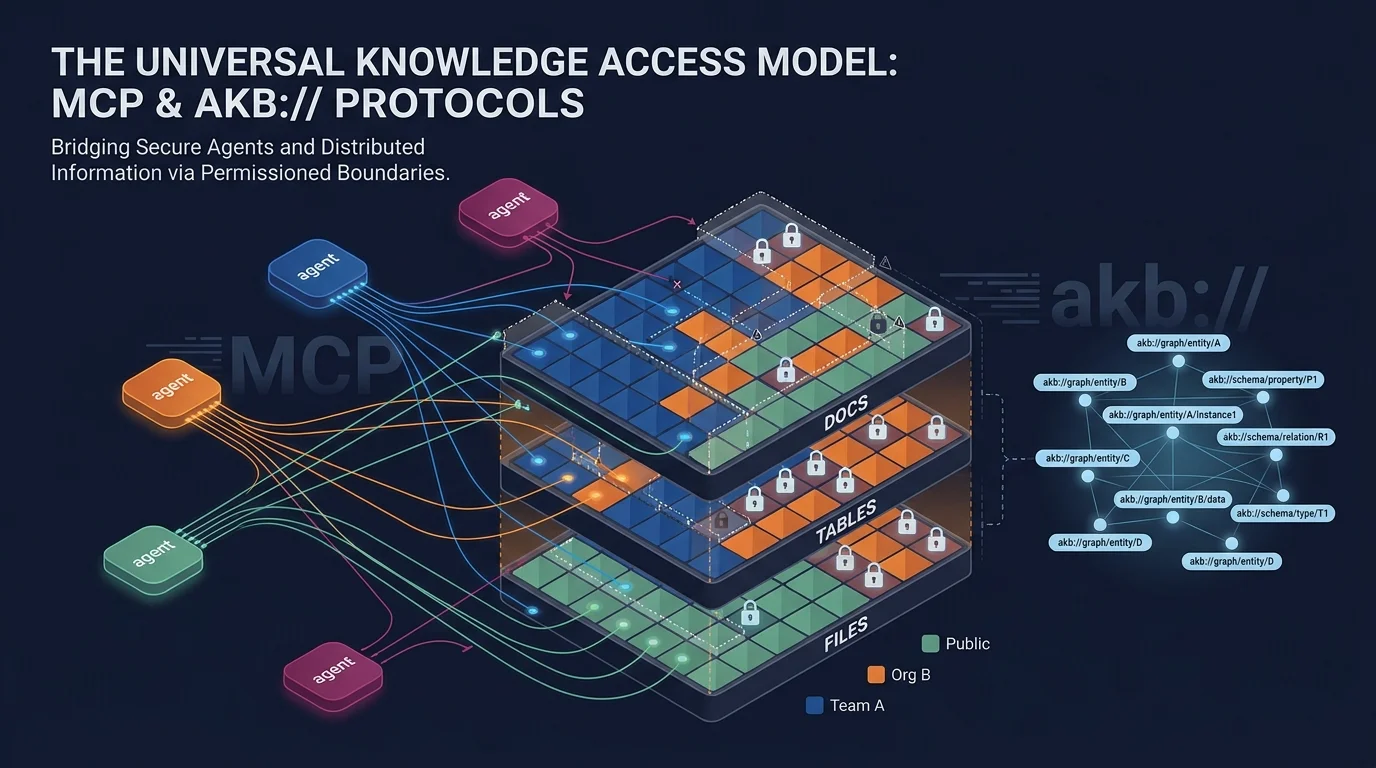
- Share deliberately: access is controlled at the vault level, so keep private memory separate and grant access only to the vault meant to be shared.
Where Should Growing Coding-Session Notes Go?
Keep short, durable repository conventions and code-linked documentation in the repository. Repository files and commits can still be useful and searchable. Move growing session recaps into a searchable, permissioned knowledge store when finding and reusing context across sessions or teammates becomes difficult.
A Practical Capture, Scope, Find, Reuse Workflow
Use this as a team workflow, not as a claim that AKB automatically performs every step:
- Capture selectively. Invoke
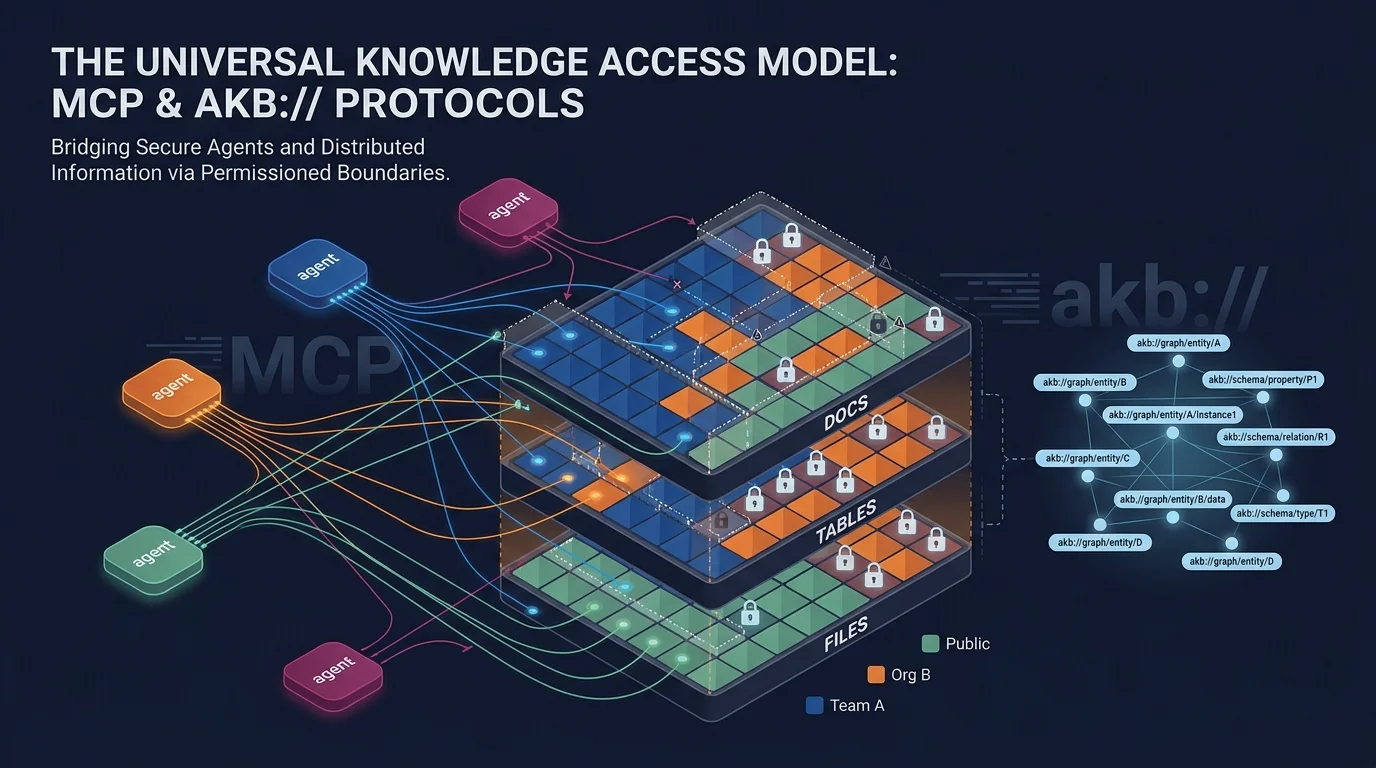
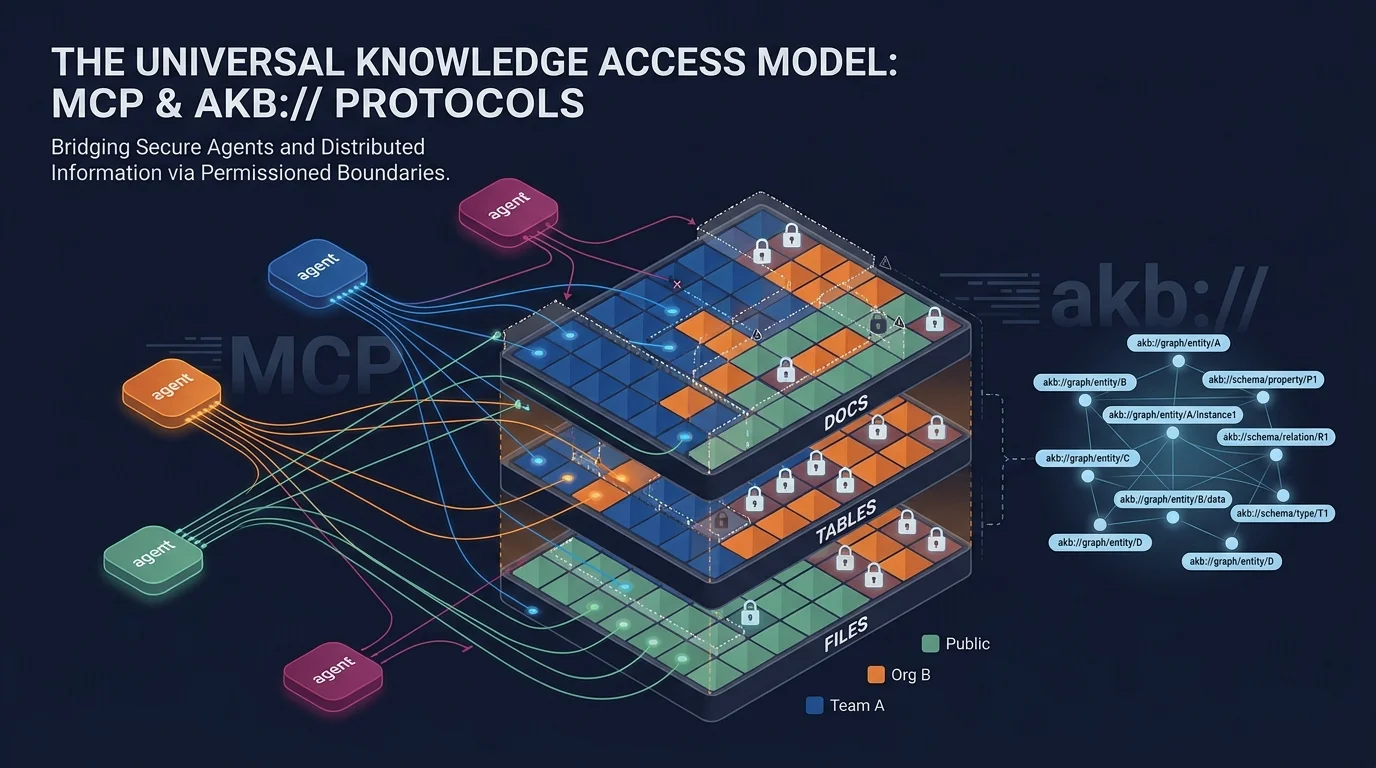
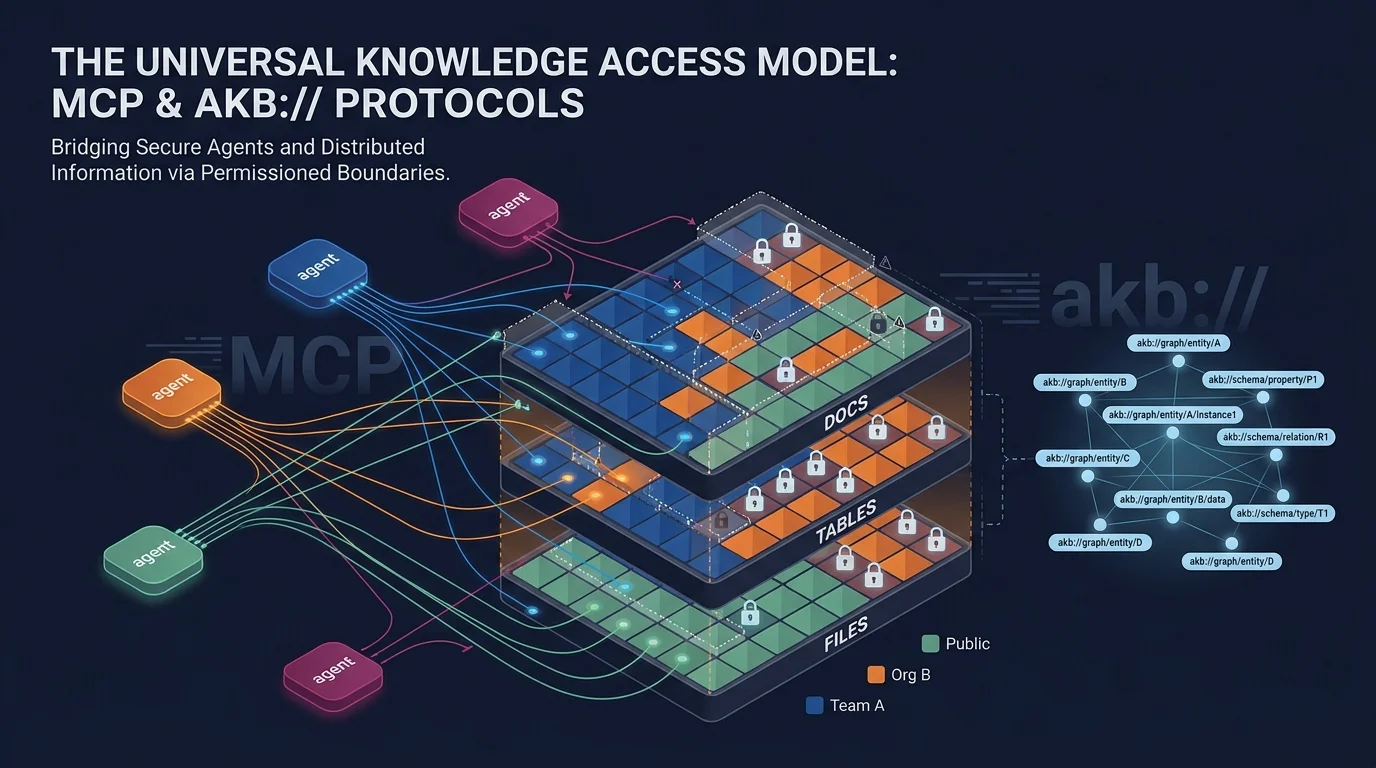
akb-sessionswhen a session has reusable outcomes. Its structured notes can capture a report, follow-up tasks, learnings, ideas, and decisions. Aim for a concise recap: what changed, why, relevant code or source links, and unresolved next steps—not a raw transcript dump. Capture depends on the installed and configured integration; lifecycle recaps require a supported lifecycle integration configured for that agent. - Choose the scope. A vault is AKB’s permission boundary; collections organize content inside a vault. Keep an agent’s own private memory in its private vault. Put only intentionally shareable session notes in a shared vault, and configure grants for the teams or projects that should use it. Running on the same backend does not make private session notes shared automatically. See AKB’s key concepts.
- Find the relevant context. Use hybrid search for a concept or question expressed in different words; use literal grep for an exact error identifier or symbol; then read the relevant heading or section for context. AKB’s README lists
akb_search,akb_grep, and section-level retrieval tools. - Reuse with provenance. Bring the recap into the next task, but preserve links to the originating commit, pull request, issue, or source file. Update or supersede the note when the underlying decision changes, rather than treating an old recap as current code documentation. Recurring cleanup or synthesis is a separate team workflow or integration.
Keep Repository Guidance and Session Memory Distinct
Repository instructions should remain authoritative for how to build, test, and change the code. Session knowledge complements them with context that is useful beyond one commit—such as why a decision was made, which alternatives were considered, or what remains unresolved. When a session produces a durable rule, update the repository guidance and link the session note to the relevant code or change.
FAQ
Should repository instructions move into AKB too?
Keep build, test, contribution, and code-specific instructions in the repository where they stay close to the code. A session note can link to those instructions and record context that does not belong in the canonical guidance.
Should every coding session be captured?
No. Capture selectively when a session produced reusable decisions, learnings, follow-up work, or important context. Use the installed and configured workflow supported by your agent; do not assume every MCP client automatically saves every session.
How should we try this with a team?
Start with a small, nonsensitive sample in a deliberately shared vault. Confirm who can read and write it, try a few real retrieval questions, and keep source links in each note before adding broader or more sensitive material.
Related reading
Give session context a searchable home
Explore how AKB connects coding agents to structured, permissioned knowledge while keeping repository guidance close to the code.